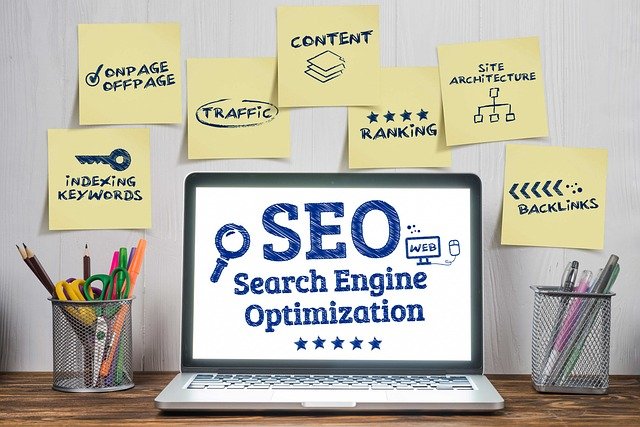
What is SEO?
Search Engine Optimization, commonly known as SEO, is a fundamental digital marketing strategy focused on improving a website’s visibility in search engine results pages (SERPs). By optimizing a website’s content and structure, businesses can enhance their chances of appearing at the top of search results for relevant queries, thereby driving organic traffic. The importance of SEO in the digital landscape cannot be overstated, as an optimized website increases the likelihood of attracting visitors who are actively searching for products or services.
The process of SEO involves various techniques aimed at improving a website’s ranking on search engines like Google, Bing, and Yahoo. One of the critical components of SEO is the use of keywords—specific phrases and terms that potential customers type into search engines. By incorporating these keywords thoughtfully into web content, blogs, and product descriptions, businesses can signal to search engines the relevance of their pages to users’ queries. This relevance is a significant factor in determining a page’s position in search rankings.
Moreover, search engines employ complex algorithms to evaluate numerous factors when ranking pages. These factors include the quality and relevance of content, the number of reputable backlinks, and technical aspects such as page load speed and mobile-friendliness. User experience (UX) has become increasingly essential for SEO; a website that is easy to navigate, visually appealing, and provides valuable information keeps users engaged, reducing bounce rates, and increasing the likelihood of conversions. Therefore, focusing on user experience not only benefits visitors but also enhances a website’s SEO performance.
Types of SEO
Search Engine Optimization (SEO) can be broadly categorized into three main types: On-Page SEO, Off-Page SEO, and Technical SEO. Each type plays a vital role in enhancing a website’s visibility and performance within search engine results.
On-Page SEO focuses on optimizing the content and HTML source code of a webpage. Effective strategies for On-Page SEO include keyword optimization, where relevant keywords are incorporated into titles, headings, and throughout the text. Additionally, ensuring that content is engaging and provides value to the user is paramount. Other tactics may involve optimizing meta tags, using descriptive URLs, and implementing proper header tags to improve user experience and search engine crawling.
Off-Page SEO, on the other hand, is concerned with building a website’s authority and trustworthiness through external means. This primarily involves backlinking, which refers to acquiring links from other reputable websites. High-quality backlinks signal to search engines that your site is a reliable source of information. Other strategies in Off-Page SEO include social media marketing and influencer outreach, both of which help to drive traffic and increase the website’s visibility across different platforms.
Lastly, Technical SEO encompasses the backend aspects that affect website performance, such as site speed, mobile-friendliness, and indexability. For instance, improving site speed can lead to better user satisfaction and lower bounce rates, which are favorable for SEO rankings. Other technical elements include ensuring the website is secure (using HTTPS), creating XML sitemaps, and optimizing images to enhance loading times. Together, these components contribute significantly to an effective overall SEO strategy, providing a solid foundation for attracting organic traffic.
Key Points to Consider for Effective SEO
Achieving effective SEO requires a multifaceted approach that encompasses various critical factors. One of the primary elements is the creation of quality content. High-quality content serves not only to engage users but also to drive organic traffic by addressing relevant keywords and providing valuable information. Content that is informative, well-structured, and relevant to the target audience generally yields higher rankings in search engine results.
Another important factor in optimizing your website for search engines is the use of meta tags. These HTML elements, including title tags and meta descriptions, play a crucial role in informing search engines and users about the content of a webpage. Properly crafted meta tags can improve click-through rates as they are often displayed in search engine results, significantly impacting user engagement and visibility.
Mobile compatibility is increasingly essential, given the rise of mobile internet usage. A website that is not optimized for mobile devices can lead to a poor user experience, which adversely affects SEO performance. Search engines like Google prioritize mobile-friendly sites when ranking search results. Therefore, responsive design and load speed should be primary considerations for any SEO strategy.
The site structure also greatly influences SEO outcomes. An organized, easy-to-navigate structure enhances user experience while enabling search engines to crawl the site efficiently. Clear URL structures and logical hierarchies are vital for ensuring that both users and search engine crawlers can easily access and understand the content.
Lastly, monitoring and analyzing SEO performance trends is critical for ongoing success. Utilizing analytics tools allows website owners to adapt strategies based on data-driven insights, ensuring they stay ahead of the continuously evolving SEO landscape. Regular assessments of keyword performance and site traffic can reveal opportunities for optimization, aiding in the maintenance and improvement of search rankings.
Resources for Learning SEO
For those interested in mastering SEO, a range of resources is available to facilitate the journey. Online courses, blogs, and analytical tools play crucial roles in understanding the multi-faceted world of search engine optimization. Platforms like Coursera and Udemy offer structured courses covering essential aspects, from keyword research to link building and content optimization. Many of these courses are designed by industry experts and provide valuable certificates upon completion.
Blogs are another vital component of learning SEO. Websites such as Moz, Search Engine Journal, and Neil Patel’s blog regularly publish articles on SEO strategies, current trends, and algorithm updates. These blogs often feature case studies, expert insights, and actionable tips, helping readers understand both foundational principles and advanced techniques in search engine optimization. For those who prefer audio-visual content, YouTube channels dedicated to SEO can offer a more engaging approach, featuring tutorials and discussions on current industry challenges.
Analyzing SEO performance is critical for continuous improvement. Tools like Google Analytics and SEMrush provide robust features for tracking website metrics, assessing keyword rankings, and examining backlink profiles. Utilizing these tools can assist learners in applying theoretical knowledge to real-world scenarios, enhancing practical understanding. Moreover, it’s essential to stay updated with the latest trends in SEO, as dynamic changes in algorithms and user behaviors require adaptability. Subscribing to industry newsletters or following relevant forums on social media can help keep one informed about new developments and best practices.
In conclusion, augmenting your knowledge of SEO through courses, informative blogs, and analytical tools will significantly enhance your understanding and application of effective search engine optimization strategies.